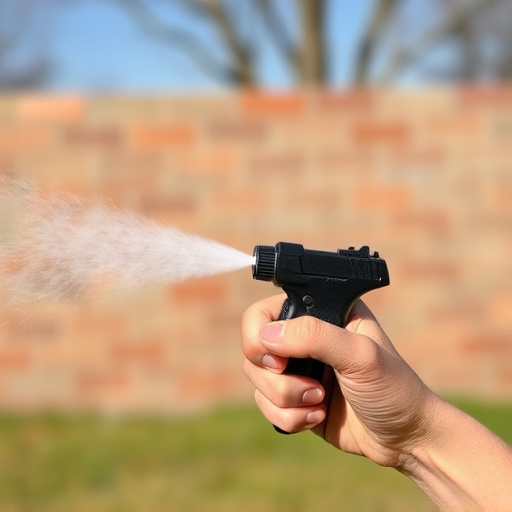
Pepper spray effectiveness varies across climates due to humidity and temperature. Colder regions maintain potency, while hot/humid conditions reduce capsaicin concentration. Law enforcement must adapt tactics and equip officers with region-specific tools. Advanced formulations and climate-smart sprays enhance performance in diverse environments.
“Pepper spray, a staple in law enforcement arsenals worldwide, is a powerful tool designed to incapacitate and control aggressive subjects. This comprehensive guide delves into the intricacies of pepper spray, exploring its effectiveness across diverse climates and scenarios. We examine safety protocols, training standards, and the evolving technology behind this essential non-lethal weapon. From urban street fights to remote wilderness encounters, understand how pepper spray’s performance varies under different conditions, ensuring officers are equipped for any challenge.”
- Pepper Spray: A Comprehensive Overview
- Climate Considerations for Pepper Spray
- Effectiveness of Pepper Spray in Different Scenarios
- Safety and Training Protocols for Law Enforcement
- Future Trends in Pepper Spray Technology
Pepper Spray: A Comprehensive Overview
Pepper spray, a powerful non-lethal weapon, has become an essential tool for law enforcement agencies worldwide. Its primary purpose is to incapacitate and disrupt suspects, providing officers with crucial time to control and subdue individuals during high-risk situations. The active ingredient in pepper spray, capsaicin, stimulates the body’s pain receptors, leading to temporary blindness, coughing, and difficulty breathing. This rapid response makes it an effective tool for disarming and subduing resistant subjects.
When considering pepper spray effectiveness in different climates, environmental factors play a significant role. In colder regions, pepper spray maintains its potency due to lower humidity levels. However, high temperatures and humid conditions can impact its performance as the active ingredient may evaporate faster, reducing its concentration. Law enforcement officers must be trained to account for these variations and adjust their tactics accordingly, ensuring the spray remains a reliable tool in various weather conditions.
Climate Considerations for Pepper Spray
The effectiveness of pepper spray can vary significantly depending on environmental factors, particularly in different climates. In colder regions, pepper spray’s potency might be reduced due to the freezing temperature, making it less impactful against resistant suspects. Conversely, humid and hot climates can also present challenges; heavy sweating from the target individual could dilute the spray’s concentration, while high humidity levels may affect its range and persistence.
These climate considerations underscore the importance of choosing pepper spray formulations designed for optimal performance in specific conditions. Advanced formulations exist that account for varying temperatures and humidity levels, ensuring the spray maintains its intended effectiveness across diverse landscapes. Understanding these nuances is crucial for law enforcement agencies to equip their officers with suitable tools tailored to the region’s unique climatic demands.
Effectiveness of Pepper Spray in Different Scenarios
Pepper spray, a non-lethal weapon, has proven its effectiveness in various scenarios as a tool for law enforcement. Its ability to temporarily disable individuals through ocular and respiratory irritation makes it a valuable asset during high-risk situations. In bustling urban environments, pepper spray can quickly subdue resistant suspects, allowing officers to gain control and ensure public safety. Moreover, the spray’s impact is not limited to warm, dry climates; its effectiveness remains consistent across different weather conditions, from moist, humid settings to cold, snowy scenarios.
In diverse environments, pepper spray’s versatility becomes evident. For instance, in dense forests or enclosed spaces, the spray’s range and accuracy are crucial for disabling perpetrators without endangering bystanders. Similarly, during riot control or crowd dispersion, it can effectively manage large gatherings, providing officers with a means to maintain order while minimizing physical harm. This adaptability makes pepper spray an indispensable tool for law enforcement agencies worldwide, catering to a wide array of potential threats and ensuring the safety of both officers and citizens alike.
Safety and Training Protocols for Law Enforcement
Law enforcement agencies prioritize safety as a top priority, and pepper spray is no exception. Effective training protocols ensure officers understand the weapon’s unique dynamics, especially its variability in different climates. The effectiveness of pepper spray can be influenced by environmental factors such as temperature and humidity. In colder regions, the spray’s concentration may reduce due to freezing, while high humidity levels can impact its range and accuracy. Therefore, officers must receive specialized training tailored to their local conditions to maximize safety and efficiency during deployments.
Regular simulations and scenarios should cover various weather conditions to prepare officers for real-world challenges. This includes drills that mimic different climates to ensure the spray’s performance meets expectations. By addressing these variables, law enforcement can enhance officer safety and public protection, making pepper spray a valuable tool in their arsenal when faced with potentially dangerous situations.
Future Trends in Pepper Spray Technology
The future of pepper spray technology promises significant advancements, with a focus on improving effectiveness and adaptability to different climates. Researchers are exploring innovative formulations that enhance irritation and immobilization while reducing environmental impact. For instance, developing spray variants that break down more rapidly can mitigate ecological concerns, especially in ecologically sensitive areas.
Moreover, climate-smart pepper spray is being designed to maintain optimal efficacy across varying temperatures and humidity levels. These developments ensure law enforcement officers have reliable tools during their operations in diverse environments, from sweltering desert regions to humid tropical forests. By addressing these factors, future pepper spray technologies aim to enhance safety for both officers and suspects while adhering to environmental sustainability goals.
Pepper spray, with its proven effectiveness across various climates and scenarios, remains a crucial tool in law enforcement. As technology advances, future trends promise enhanced accuracy, reduced impact on bystanders, and improved safety protocols. Understanding the optimal use of pepper spray in different environments and ensuring proper training are essential to maximize its efficiency while upholding public safety standards. By staying informed about these developments, law enforcement agencies can continue to leverage pepper spray as a game-changer in crowd control and tactical operations.