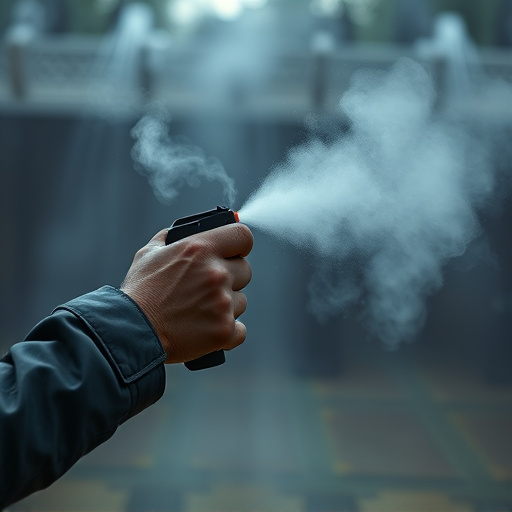
Pepper spray, with capsaicin, is effective across various climates despite common belief of better performance in dry conditions. Proper application on the face maximizes impact regardless of temperature or humidity. Humid environments speed up breakdown, cold weather poses challenges, but specialized formulations maintain efficacy in diverse geographic settings.
“Unleashing a powerful tool in the realm of law enforcement and riot control, this article delves into the intricate world of pepper spray. We present a comprehensive overview, examining its effectiveness across various scenarios, especially with climate considerations in mind. From bustling metropolis to remote areas, understanding how pepper spray performs in different environments is vital. Discover insights that highlight its versatility and impact, offering a nuanced perspective on its role in maintaining public safety.”
- Pepper Spray: A Comprehensive Overview
- Climate Considerations for Riot Control
- Effectiveness of Pepper Spray in Different Scenarios
Pepper Spray: A Comprehensive Overview
Pepper spray, a widely used riot control agent, is known for its effectiveness in neutralizing individuals during chaotic situations. Its primary active ingredient, capsaicin, disrupts pain signals sent from the eyes and nose to the brain, temporarily blinding and disorienting the target. This non-lethal force is particularly valuable in diverse environments, including different climates.
In various weather conditions, pepper spray maintains its potency. While some believe it performs better in dry climates, it remains effective even in humid or moist environments. The key lies in proper application; aiming for the face ensures maximum impact regardless of temperature or humidity. This versatility makes pepper spray a comprehensive solution for law enforcement and security personnel worldwide, capable of addressing riots and crowd control across diverse geographical locations.
Climate Considerations for Riot Control
Riot control agents, commonly known as pepper spray, are effective tools in managing and dispersing crowds during chaotic situations. However, their performance is influenced by environmental factors, particularly climate conditions. The effectiveness of pepper spray can vary significantly across different climates due to changes in temperature, humidity, and wind speed.
In warmer climates with high humidity levels, the active ingredients in pepper spray may evaporate faster, reducing its potency. Conversely, colder environments can cause the spray to freeze or become less dispersible. Wind conditions also play a crucial role; strong winds can blow the spray away from its intended targets, while calm weather allows for better retention and impact. Understanding these climate considerations is essential for law enforcement and security personnel to ensure the optimal deployment of riot control measures, tailoring their strategies to the specific environmental challenges posed by different climates.
Effectiveness of Pepper Spray in Different Scenarios
Pepper spray, a common riot control agent, is renowned for its immediate impact in neutralizing agitated individuals. Its effectiveness stems from the active ingredient capsaicin, which triggers a burning sensation and temporary blindness, making it a powerful tool in various scenarios. In outdoor settings, pepper spray’s performance can vary greatly depending on weather conditions. In hot and dry climates, its potency is generally unaltered due to lower humidity levels that minimize evaporation rates. Conversely, humid environments can accelerate the spray’s breakdown, reducing its concentration and impact.
In colder regions, where freezing temperatures are prevalent, pepper spray presents unique challenges. Frost formation on the spray particles may alter their dispersion and absorption, potentially decreasing their effectiveness against frozen surfaces or in sub-zero winds. However, specialized formulations designed for cold weather conditions have been developed to maintain pepper spray’s potency, ensuring its reliability in diverse geographic settings.
In conclusion, pepper spray has proven to be a versatile tool for riot control across diverse scenarios and climates. Its effectiveness against aggressive behavior is well-documented, making it a valuable asset for law enforcement agencies worldwide. However, understanding the nuances of its performance in various weather conditions is essential for optimal deployment. By considering temperature, humidity, and wind speed, as discussed in this article, authorities can maximize the efficiency of pepper spray during disturbances, ensuring public safety and order.